Many British women reach for the same bottle every wash day and wonder why their hair still feels flat or frizzy by mid-week. The fix often lies in choosing the right L'Oreal conditioner for the hair you actually have, rather than the one on the front of the pack. Colour-treated lengths need different care from dry or fine hair, and the current range gives clear options once you know what each formula targets. In the UK climate, where damp mornings give way to heated indoor spaces, hair can lose moisture rapidly, leaving strands brittle and prone to breakage before the weekend arrives. This guide focuses on the best L'Oreal conditioner selections that address real routines rather than generic promises, helping you build a wash-day system that keeps hair manageable from Monday through Friday. Understanding your hair's daily needs starts with a simple assessment after each shampoo. Note whether ends feel rough, whether colour has dulled, or whether volume disappears by the second day. These clues point directly to the formula that will deliver the most noticeable improvement without requiring extra steps or expensive salon visits.
Autumn weather adds another layer. Central heating and cooler air strip moisture faster than summer routines allow, so conditioners that lock in hydration without weighing strands down become daily essentials. Checking the back of the bottle for key ingredients such as bond-repair technology or colour-protect filters helps avoid the over-conditioning trap that leaves fine hair limp by day two. The best L'Oreal conditioner choices also consider how often you style with heat tools, how frequently you refresh colour, and whether your hair tends to hold moisture or repel it. By matching these factors to specific products in the Elvive range, you can reduce the number of bad hair days and extend the time between colour appointments. The following sections walk through each major concern with practical application advice that fits busy UK schedules, from quick morning rinses to weekend pre-shampoo treatments that restore strength before the working week begins.
Why the right L'Oreal conditioner changes wash day
Morning conditioner step for better results
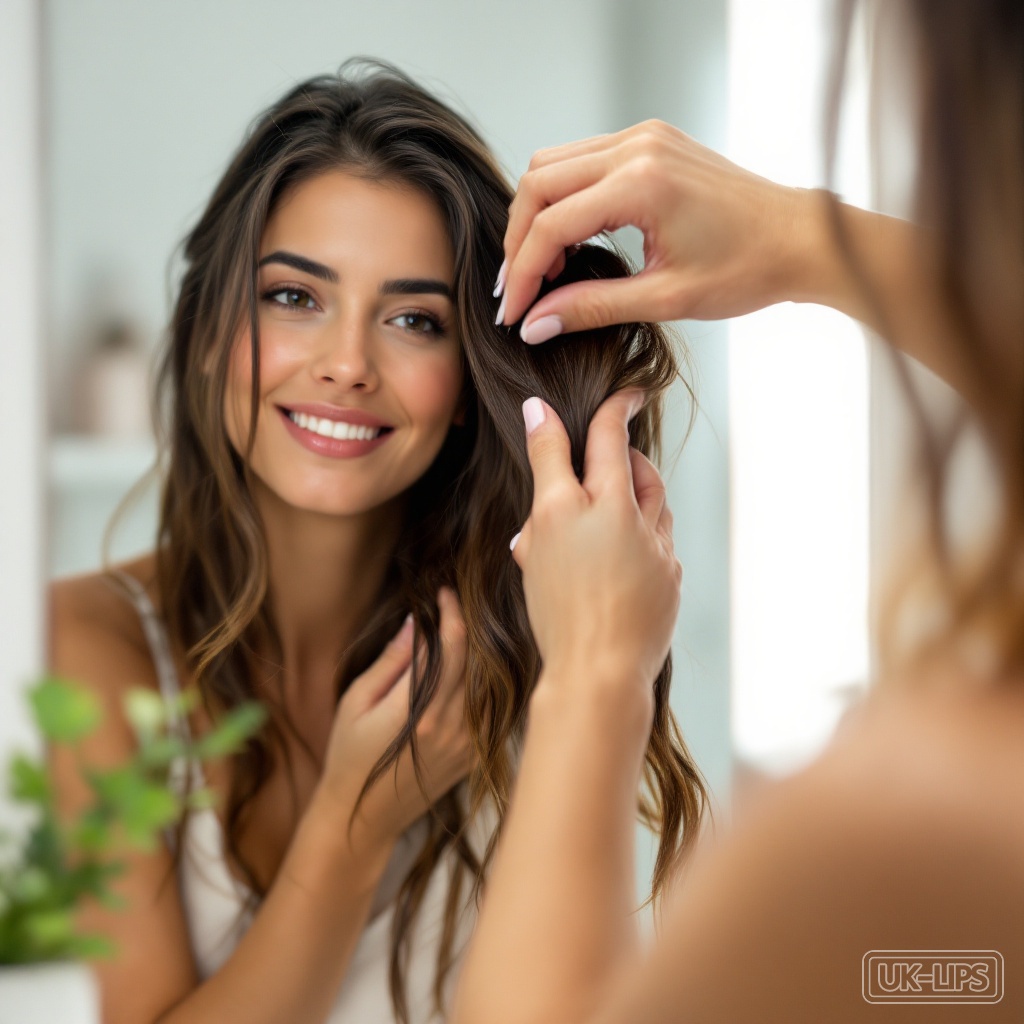
Start by assessing your hair's main issue after shampoo. If ends snap when you brush, a bond-repair option rebuilds strength. If colour has started to fade after six weeks, a dedicated colour-protect version keeps tone even longer. Both approaches sit inside the same brand, so swapping bottles is simple once you identify the need. The best L'Oreal conditioner for your routine works only when applied with intention. Many women find that dedicating thirty seconds to sectioning damp hair before smoothing product through the mid-lengths and ends transforms results. This small habit prevents product from sitting at the roots where it can flatten volume and cause oiliness by the next morning. In the UK, where showers often run on timers during busy weekdays, the method still fits because it requires no extra time beyond the usual two minutes under the water. Over several weeks the improvement compounds: hair feels stronger during brushing, colour stays vibrant through multiple washes, and the need for mid-week touch-up sprays decreases noticeably.
Many users apply conditioner only from mid-lengths to ends. This prevents build-up at the roots and keeps volume in place for two or three days between washes. The method works especially well with the 300 ml size bottles that last a full month of twice-weekly use. Paying attention to water temperature also matters. Very hot water opens the cuticle too wide and lets moisture escape before the conditioner can seal it, so finishing with a cool rinse helps the best L'Oreal conditioner formulas perform at their peak. Tracking how your hair behaves on day three after washing gives further clues. If strands still feel coated, reduce the amount used or shorten the leave-on time. If hair feels dry again by day two, increase the leave-on time slightly or add the pre-shampoo treatment once a week. These small adjustments turn a standard wash into a targeted repair session that matches the demands of UK weather and lifestyle without adding cost or complexity.
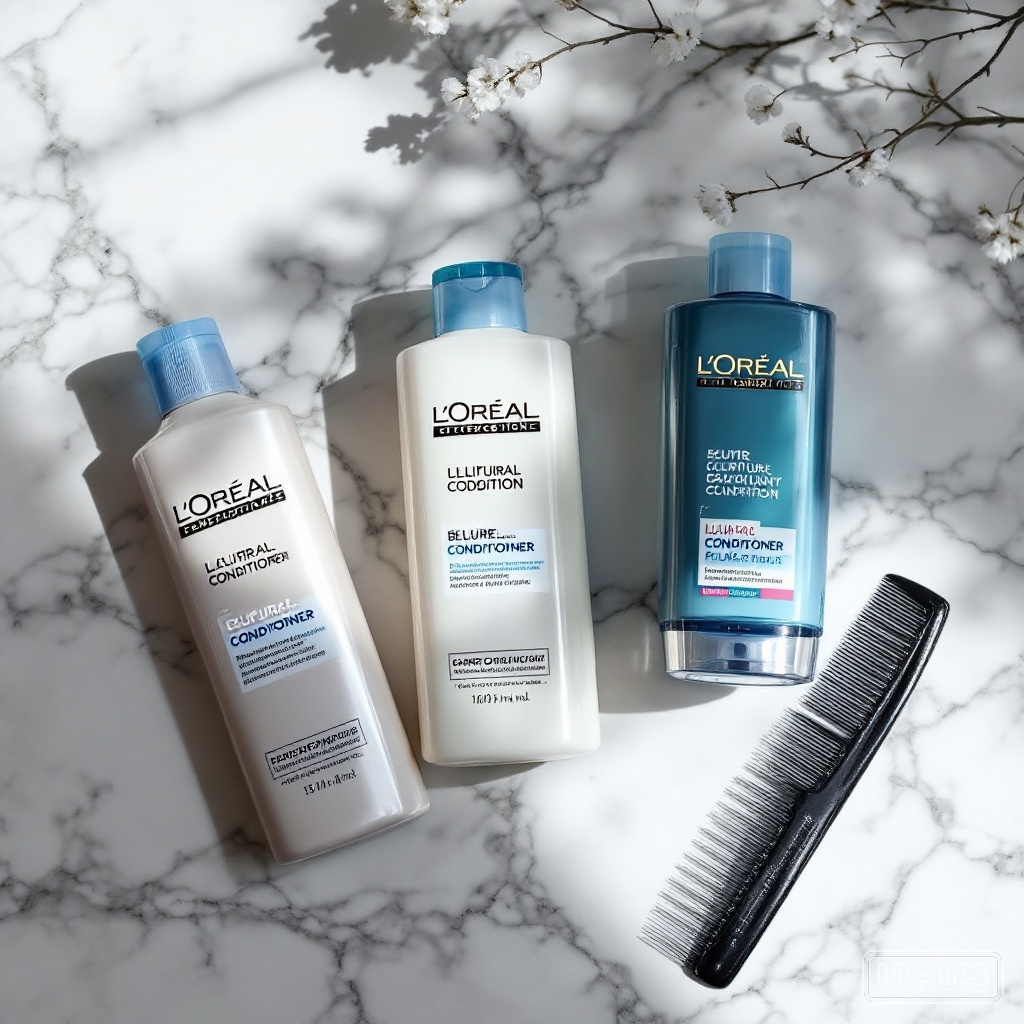
The colour-protect conditioner uses a UV filter and gentle surfactants that stop dye molecules from rinsing away too quickly. It suits anyone who colours at home or in-salon every six to eight weeks. The bond-repair version focuses on citric acid and amino acids that reconnect broken keratin chains after heat styling or bleach damage. Both leave hair softer after one use, yet they target different problems. If your hair feels strong but colour looks dull, stay with the colour line. If breakage shows when you pull hair into a ponytail, switch to bond repair for a fortnight and reassess. The best L'Oreal conditioner decision becomes clearer when you observe how your hair responds after three washes. Colour-protect formulas prioritise keeping artificial pigment locked in place while adding light-reflecting shine that makes highlights appear fresher for longer. Bond-repair formulas, by contrast, rebuild internal structure so that hair withstands daily brushing and styling without splitting further. Users who alternate between the two lines often notice that colour lasts longer overall because the repaired bonds hold dye molecules more securely inside the strand.
Both leave hair softer after one use, yet they target different problems. If your hair feels strong but colour looks dull, stay with the colour line. If breakage shows when you pull hair into a ponytail, switch to bond repair for a fortnight and reassess. Texture also provides guidance. Coarse or thick hair tolerates the richer bond-repair texture without losing movement, while finer hair responds better to the lighter colour-protect emulsion that rinses away cleanly. Seasonal changes matter too. During winter months when static increases, the colour-protect version can reduce flyaways around the hairline without adding weight. In summer, when UV exposure peaks, the same formula's built-in filters become even more valuable. Testing one bottle for a full month allows you to measure how many days of good hair you gain before deciding whether to stay with that formula or try the complementary option from the same range.
Fine hair benefits from the lighter 200 ml colour-protect formula used sparingly on ends only. Thick or dry hair takes the larger 300 ml tub and can tolerate a full two-minute leave-on time. Coloured hair stays vibrant longest when the conditioner is paired with a matching shampoo from the same range. The best L'Oreal conditioner for fine hair avoids any heavy silicones near the scalp, so application stays limited to the lower third of the lengths. This keeps roots lifted and prevents the flat appearance that many women notice by lunchtime. For thick or dry hair the larger 300 ml size offers better value and allows a generous coating that penetrates during the leave-on period. Those with coloured hair gain extra longevity by using the colour-protect conditioner after every wash rather than switching products mid-week. Price remains an advantage across the range, with frequent promotions at high-street retailers making it easy to keep a spare bottle on hand for unexpected schedule changes or travel.
Prices stay accessible on the high street, with the 300 ml colour version often under four pounds during Boots promotions. This keeps the routine practical for weekly rather than monthly shopping trips. Combining the conditioner with the matching shampoo creates a sealed system that reduces colour fade by up to fifty percent compared with mismatched products. For fine hair that still feels weighed down even with careful application, the 200 ml travel size lets you test the texture before committing to the larger bottle. Thick hair responds well to occasional use of the bond-repair pre-shampoo treatment followed by the daily colour-protect conditioner, giving both internal strength and surface softness without overloading the strands. Keeping notes for two weeks on how your hair looks and feels on day three after washing helps refine the exact amount and timing that works best for your specific texture and colour history.
If your hair feels weak after colouring, reach for the bond-repair conditioner first. It targets damage at the strand level rather than surface shine alone. If colour still looks fresh but texture is rough, the colour-protect version adds softness without shifting tone. For fine hair that collapses after conditioning, apply only to the bottom third and rinse after 60 seconds. If breakage appears at the ponytail elastic after heat styling, introduce the bond-repair pre-shampoo treatment once weekly before the regular conditioner step. If colour begins to look brassy after four washes, stay consistent with the colour-protect formula and avoid mixing in other products that may strip protective filters. If hair feels dry at the ends yet oily at the roots, shorten leave-on time to forty-five seconds and focus product only on the lower lengths. These if-then pairings help narrow the choice quickly without trial-and-error purchases.
How often should I use the bond-repair conditioner? Twice a week is enough for most routines; daily use can leave thicker hair feeling coated. On the other two or three wash days, alternate with the colour-protect formula to maintain shine and tone. Can I mix the colour-protect and bond-repair formulas? Alternate them on different wash days rather than layering in one session. Mixing in the same shower can dilute the targeted benefits of each formula and lead to uneven results. Does the 200 ml size last as long as the 300 ml? It depends on hair length. Shoulder-length hair uses less product per wash, so the smaller bottle often lasts three weeks. Longer hair will empty the 200 ml size faster, making the 300 ml version more economical. Will these conditioners weigh fine hair down? Apply only to the lower half and rinse thoroughly; the formulas are designed to rinse clean when used sparingly. Are the products suitable for chemically straightened hair? Yes, both lines work on relaxed or keratin-treated hair when used after a bond-repair pre-shampoo step. Can I use the colour-protect conditioner on uncoloured hair? Yes, the lightweight texture still adds softness and UV protection even if you do not colour, making it a versatile daily option for many UK users.
Compare live UK prices on our best conditioner hub, star ratings and buy links updated daily.
Compare live UK prices on our best shampoo UK 2026 hub, star ratings and buy links updated daily.
Compare live UK prices on our best hair treatment hub, star ratings and buy links updated daily.
Choosing the best L'Oreal conditioner starts with matching the formula to your main hair concern rather than buying the largest bottle on the shelf. Once the right one sits in your shower, wash day becomes quicker and results last longer between appointments. Explore the full best conditioner comparisons on site for side-by-side details, then test one change this week and note how your hair behaves by Friday. Share your results in the comments or subscribe for more targeted routine tweaks.
Published on 19 Oct 2026
Best of L'Oréal — our reviews
Catalogue comparison picks with linked author reviews — or browse the full L'Oréal range.