You know that moment when you swipe on a lipstick that looked perfect in the tube only for it to emphasise every fine line and feel like it’s trying to escape your mouth by lunchtime? That’s not a you problem. It’s a formula problem. And in the UK, where light changes faster than the weather app can keep up, getting the right lipstick formula matters more than chasing the latest shade. One minute you’re walking through crisp morning air in Manchester, the next you’re under harsh office fluorescents in Birmingham, and by evening the wind off the Thames has dried everything out again. The lipstick that looked rich at 8am can suddenly look patchy by 2pm, and the one that felt comfortable in the shop can tug the second your lips lose moisture. This isn’t about finding a miracle product that works for every woman in Britain; it’s about understanding how different formulas interact with the realities of our climate, our routines and the natural texture of our lips.
The trick isn’t hunting for one holy-grail lipstick that does everything. It’s learning which formulas suit your actual lip shape, texture and daily life. Some glide and blur. Others grip and last. A few sit somewhere in between and reward a little layering. We’re skipping the “one product to rule them all” nonsense and looking instead at how different textures behave on real British lips right now. Think about the woman who commutes on the Northern Line and needs colour that survives the journey without reapplying in a moving carriage. Or the mum who wants something she can blot down for the school run yet build up for a quick dinner out. These scenarios dictate formula choice far more than any magazine trend report.
Start by thinking about what your lips do all day. Do they disappear into thin lines after coffee? Do they chap the second the heating kicks in? Do you want something that can be blotted down for meetings or built up for after-work drinks? Those questions decide the formula far more than age or trend lists ever will. The British climate adds another layer: rapid shifts from damp to dry mean lips can feel comfortable at breakfast and tight by elevenses. Central heating, air conditioning on trains and constant hand sanitiser all pull moisture away. Once you recognise these patterns, choosing between a creamy satin, a buildable matte or a hydrating balm becomes a practical decision rather than a guessing game.
Once you know your lip personality, the rest gets simple. You stop buying the same matte bullet in three different shades and start mixing textures that actually work together. That’s the approach we’re taking here: matching formula to need, not chasing perfection. Over the next sections we’ll explore how lip shape influences texture choice, why layering beats single-step application, and how budget and investment options compare when tested on real UK lips throughout a typical day.
Different lip shapes showing ideal lipstick formulas
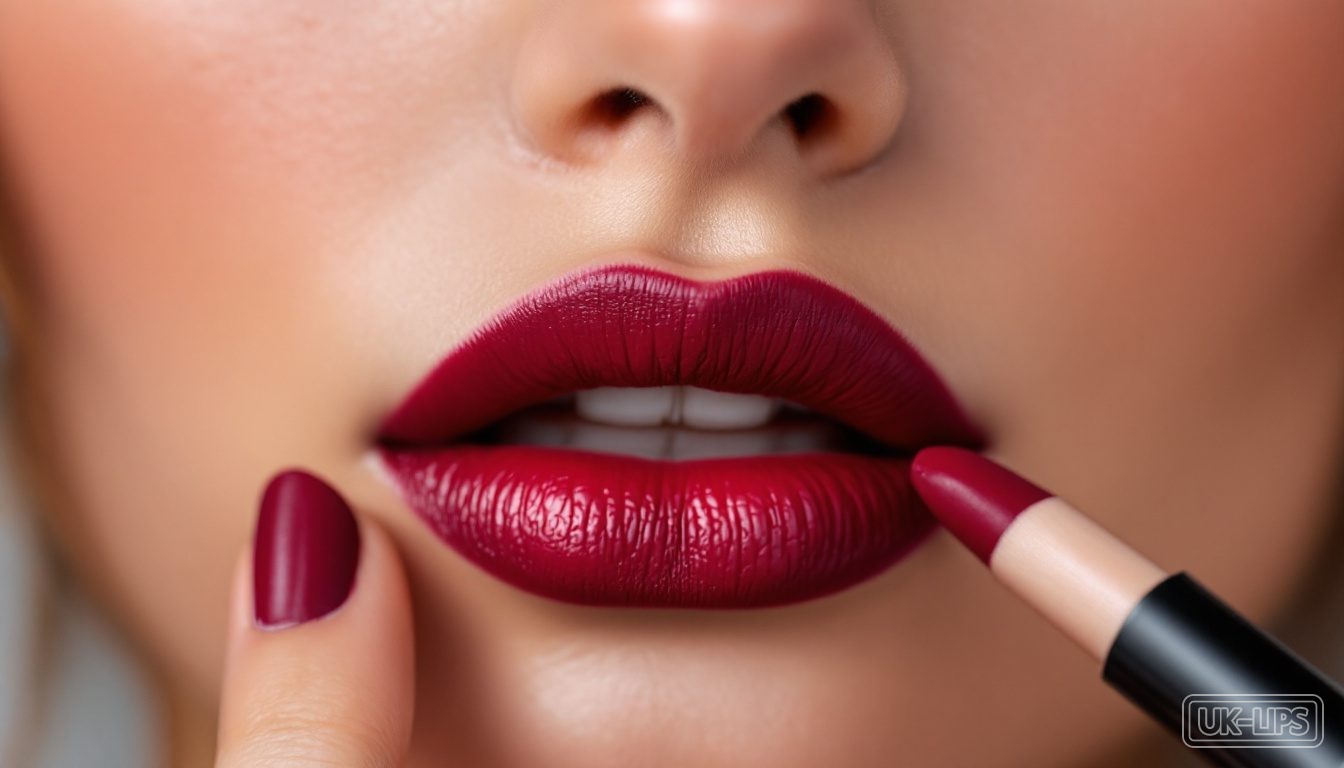
Fuller lips can carry a matte or satin lipstick without looking flat because there’s more surface area for the colour to sit on. The extra volume gives the pigment room to settle evenly, so even a deeper berry shade reads as rich rather than heavy. Thinner or more lined lips often look better with a creamy or balm-like texture that doesn’t drag or settle into creases. The difference shows up fast once you try both on the same day. A woman with naturally full lips might find a classic matte formula gives her the sharp definition she wants for evening events, while the same product on finer lips can emphasise every vertical line the moment she smiles. In contrast, a creamy satin glides across thinner lips, reflecting light in a way that creates the illusion of volume without any plumping agents. The UK’s variable daylight plays a role here too: north-facing windows in winter can make matte lips appear duller, whereas a satin finish catches what little light is available and keeps the mouth looking fresh.
Many women over 40 discover that switching from a traditional matte to a satin or balm formula instantly makes their lips look fuller without any plumping gimmick. It’s not about hiding anything; it’s about letting the formula do the work instead of fighting it. As collagen naturally decreases, lips can lose some of their natural cushion, so a slightly emollient texture prevents the colour from sitting in the fine lines that become more noticeable with age. If your lips have a defined cupid’s bow, a precise lip liner underneath keeps everything sharp even when you blot. The liner acts as a barrier, stopping colour from feathering into the fine skin above the lip during a long day of talking or eating. If your lips are softer at the edges, a tinted lip oil or gloss-balm hybrid can blur beautifully without needing perfect precision. This approach works especially well for those who prefer a low-maintenance look that still reads as polished on video calls or quick coffee runs.
Testing different textures side by side reveals how dramatically lip shape dictates performance. Spend one morning with a creamy satin on one side and a buildable matte on the other; by midday the contrast will tell you everything you need to know about your own mouth. The key is observing how the product behaves after coffee, after a meal, and after a few hours in heated indoor air. That real-world data is far more useful than any influencer swatch video.
Step-by-step lip layering technique for natural finish
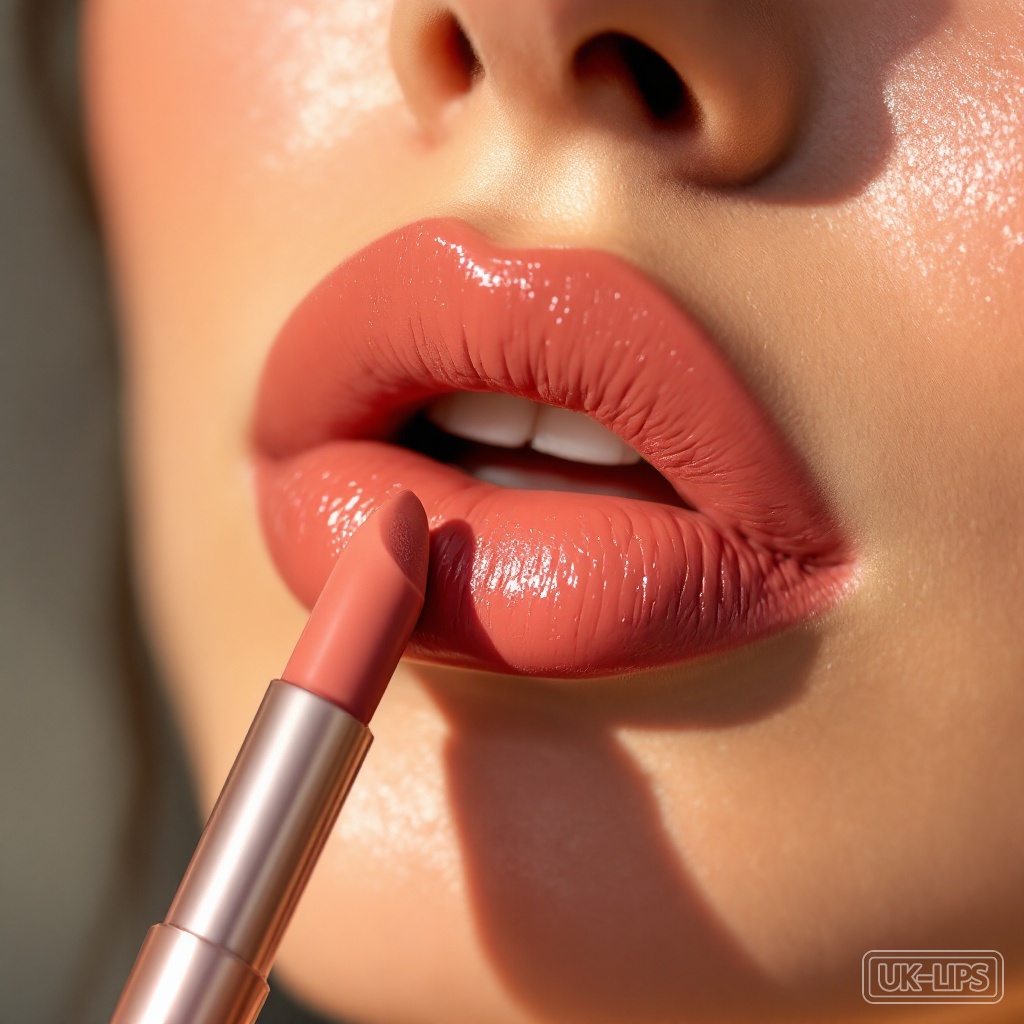
Start with a thin layer of balm or lip oil to create a hydrated base. Let it sink in for thirty seconds. Then use a lip liner in a shade close to your natural lip or the lipstick you plan to wear. Fill the entire lip lightly rather than just outlining. This stops colour from migrating and gives a smoother canvas. The initial balm step is crucial because it replenishes moisture that central heating and cold air strip away throughout a British winter day. Without that base, even the most comfortable lipstick can start to feel tight by mid-morning. Applying liner all over rather than just at the edges creates a uniform surface that helps colour adhere evenly, reducing the patchy look that often appears after the first cup of tea.
Apply your lipstick or gloss on top. For a softer daytime look, press a tissue over the lips and add one more sheer layer. The result looks like your lips but better, not like you spent twenty minutes in the mirror. This method works with almost any formula in the best lipstick range because the base layer does the heavy lifting. The same approach turns a drying matte into something wearable and makes a glossy balm last longer than you’d expect. It’s the difference between lipstick that fights your face and lipstick that works with it. Many women find that once they adopt this three-step routine, they reach for fewer products overall because each layer serves a clear purpose and the final result requires fewer touch-ups.
The technique also adapts to different schedules. On rushed mornings, the balm and liner alone can give a tinted, cared-for appearance that survives the commute. On days with more time, the final sheer layer adds polish without heaviness. Over a typical UK week that includes office hours, school runs and weekend errands, this layering method proves more reliable than any single product used in isolation.
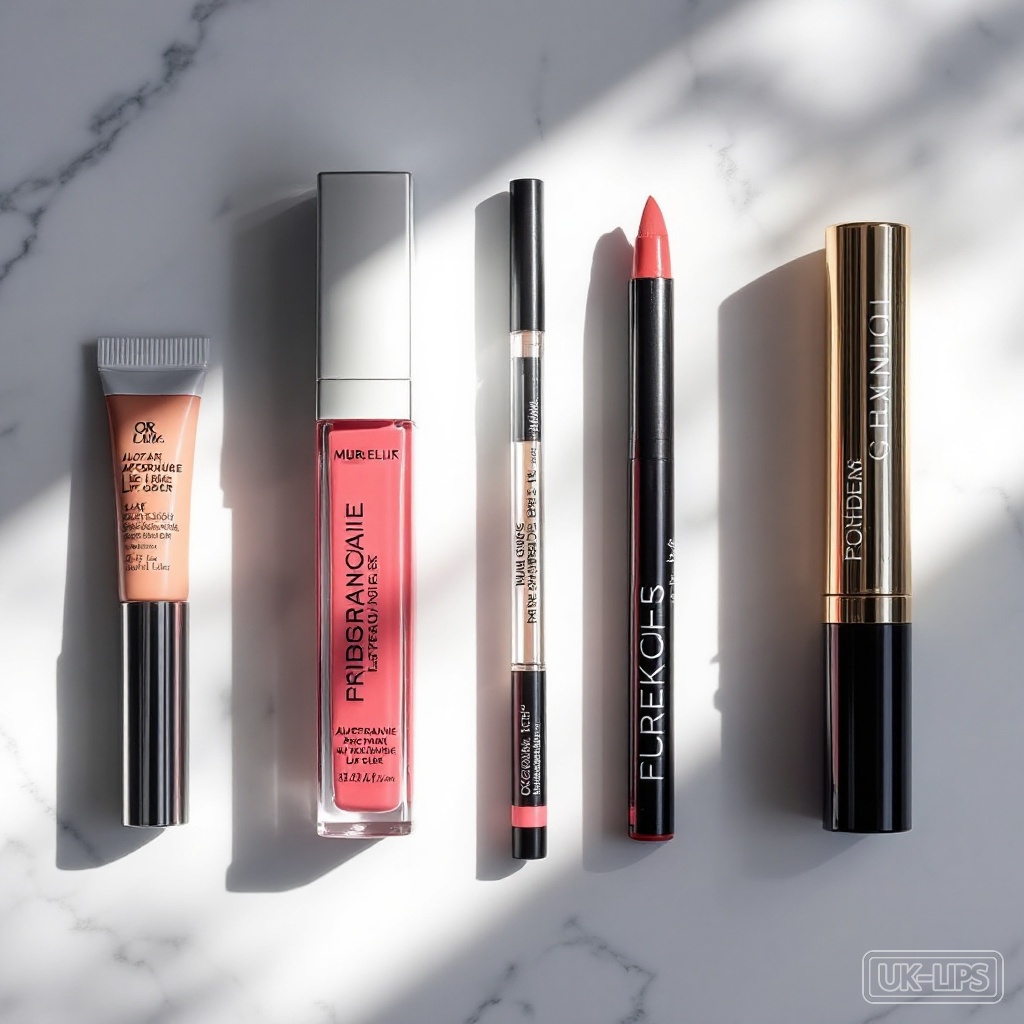
Price doesn’t always equal performance, but it often equals different textures. The budget options here focus on comfort and easy application. The higher spend gives you more refined finishes and longer wear in some cases. Both have their place depending on how often you reapply. A budget tinted oil can be the perfect everyday companion for someone who wants low-maintenance colour that feels weightless, while a premium gloss might deliver the exact shade and staying power needed for a long wedding or conference day. The real test is how each performs after several hours in typical UK conditions: variable humidity, heated indoor spaces and frequent mask-wearing on public transport.
If you want something you can throw in every bag and not worry about, the lower price point wins. If you’re after a specific shade that stays true from morning to evening without touch-ups, the investment piece can be worth it. Test both on your own lips rather than trusting reviews alone. Many women discover that a mid-range balm paired with an affordable liner delivers better all-day comfort than a single expensive lipstick used alone. The key is matching the product’s texture to your lip personality rather than assuming higher cost automatically means superior results. Over time, building a small collection of complementary textures often proves more cost-effective than repeatedly buying the same type of product in different shades.
If your lips feel tight by midday, reach for No7 Hydraluminous Lip Balm 2.8g first as a base because the hyaluronic acid keeps things comfortable without adding shine you don’t want.
If you need colour that survives back-to-back meetings, No7 Pro Artist Matte Muse Lipstick 3.3g gives grip without the usual dryness once you’ve prepped with balm.
If you prefer a quick one-step option that still looks polished, No7 Peptide Glow Lip Gloss Balm 10ml delivers colour and care in a single swipe for days when you can’t be bothered with liner.
Should I exfoliate before every lipstick application? Twice a week with a gentle sugar scrub is plenty. Over-exfoliating can make lips more sensitive and prone to dryness, especially when the weather turns cold and windy. A light weekly polish removes dead skin so colour glides on evenly without settling into flakes, but daily scrubbing strips the natural barrier your lips need to stay comfortable in heated offices or on draughty trains.
Can I mix a matte lipstick with a balm to make it wearable? Yes. Apply the matte first, then press a tiny amount of balm on top with your finger for a softer finish without losing too much colour. This technique lets you keep the longevity of the matte while adding just enough slip to prevent tightness by mid-afternoon. The key is using a very small amount so the colour stays true rather than turning glossy.
Is lip liner still necessary in 2026? Only if you want sharp edges or have issues with feathering. A tinted liner used all over the lips can replace lipstick entirely on low-effort days, giving a natural wash of colour that survives coffee and conversation without constant reapplication. For those who prefer a blurred look, skipping liner and using a balm or oil instead often feels more modern and forgiving.
Why do some lip oils feel sticky? Thicker oils with more emollients sit on the surface longer. Lighter ones absorb faster and feel more like a second skin. The stickier formulas often deliver more intense hydration, which is useful in winter, while the lighter versions suit warmer months when you want colour without any tackiness during a busy day.
How do I stop lipstick from getting on my teeth? After applying, put your finger in your mouth and pull it out slowly. The excess comes off on your finger instead of your teeth. This quick step takes seconds and prevents the common problem of colour transferring during the first sip of a hot drink or while talking on the phone.
Are refillable lipsticks worth the extra cost? If you repurchase the same shade regularly, yes. The case lasts for years and reduces waste without sacrificing performance. Many women find that investing in one refillable bullet they truly love ends up being more economical than buying multiple disposable tubes over time.
Compare live UK prices on our best lipstick hub, star ratings and buy links updated daily.
Compare live UK prices on our hydrating lip balm hub, star ratings and buy links updated daily.
Compare live UK prices on our compare lip liner prices hub, star ratings and buy links updated daily.
The best lipstick UK 2026 isn’t the one with the prettiest packaging or the loudest marketing. It’s the formula that respects how your lips actually behave and lets you get on with your day. Once you stop forcing the wrong texture onto your mouth, everything else becomes easier. Try the layering method this week and see which products suddenly start behaving themselves. Then tell us which combination became your new favourite in the comments.