
Pigments
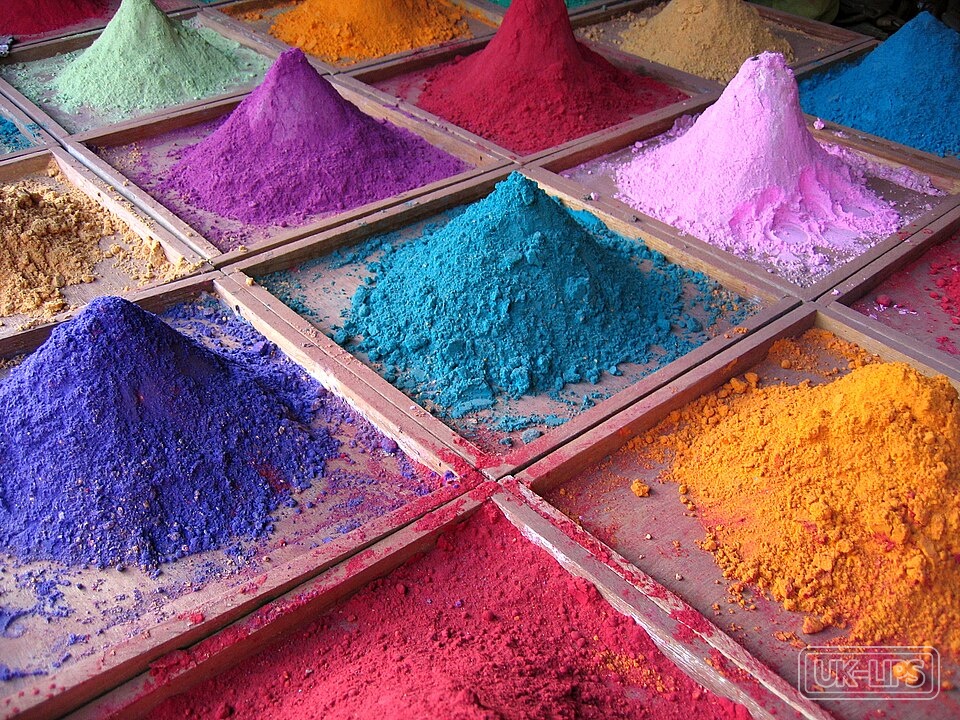
Pigments are the natural or synthetic colourants that give cosmetics their beautiful hues, from lipsticks and eyeshadows to blushes and nail polishes. In the UK beauty industry they help products look vibrant and consistent while being carefully regulated for safety. They can be derived from minerals, plants or created in labs to deliver everything from soft pastels to bold, long-wearing shades.
How it works in skincare
In cosmetics, pigments are finely milled particles that reflect and absorb specific wavelengths of light to create colour. They are dispersed throughout creams, powders, liquids and waxes, providing opacity, tint or shimmer depending on their type and concentration. UK formulators select pigments for their stability, skin adhesion and ability to blend seamlessly, ensuring the finished product delivers even coverage and a predictable shade on lips, eyes, cheeks and nails.
Key benefits
- Deliver consistent, long-lasting colour
- Provide buildable coverage from sheer to opaque
- Enhance the visual appeal and elegance of makeup
- Allow creation of both subtle everyday looks and dramatic statements
- Can add pearlescent or metallic effects when coated
- Help products maintain their shade over time
Best for
all skin types, sensitive skin (when using regulated cosmetic-grade pigments), oily skin, dry skin, mature skin
Where it comes from
Many cosmetic pigments are mineral-based, such as iron oxides sourced from earth deposits, titanium dioxide from naturally occurring minerals, and mica harvested from crystalline rocks. Others are derived from plant sources like beetroot or spirulina, while modern synthetic pigments are created in laboratories to meet strict UK and EU cosmetic safety standards.
Products with Pigments
Not every product on UK Lips lists a full ingredient breakdown — so there may be many more formulas that contain Pigments than we can show here. These are the comparisons where we’ve confirmed it in the listed ingredients.