
Palmitoyl Dipeptide
Palmitoyl Dipeptide is a synthetic peptide commonly used in anti-ageing skincare. It is a lipopeptide made by attaching a fatty acid (palmitic acid) to a short chain of two amino acids, helping it penetrate the skin more effectively. Shoppers will often find it in creams and serums aimed at improving firmness and reducing the look of fine lines.
How it works in skincare
In cosmetics and skincare, Palmitoyl Dipeptide works by signalling to skin cells to support the natural production of collagen and other structural proteins. The attached palmitic acid increases its oil solubility, allowing better delivery into the deeper layers of the skin where it can encourage a firmer, smoother appearance. It is valued in formulations for its ability to help visibly plump the skin and soften the look of wrinkles without irritation.
Key benefits
- Helps reduce the appearance of fine lines and wrinkles
- Supports a firmer, more toned look to the skin
- Improves skin smoothness and texture
- Enhances skin plumpness and elasticity
- Gentle enough for daily use in anti-ageing routines
- Helps strengthen the skin’s natural barrier
Best for
mature skin, ageing skin, dry skin, normal skin, sensitive skin
Where it comes from
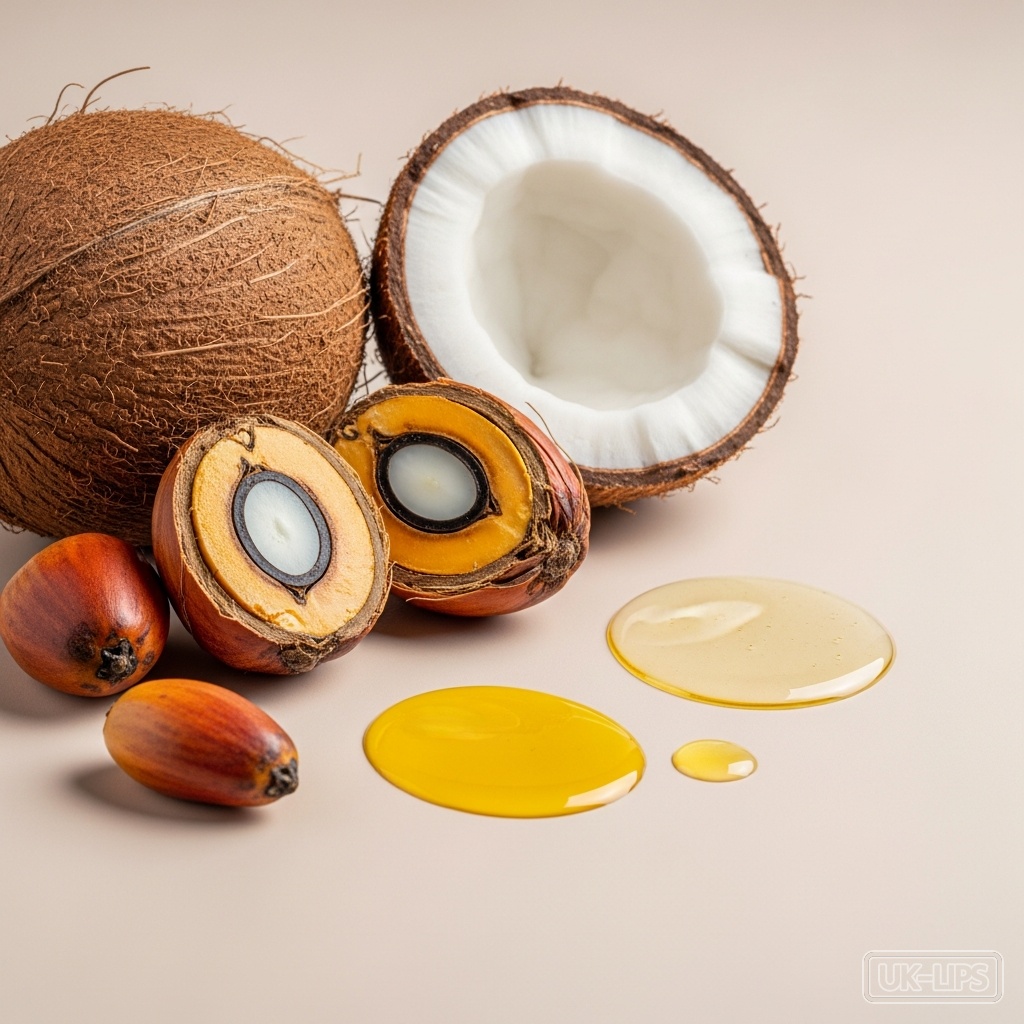
Palmitoyl Dipeptide is produced synthetically by combining naturally derived palmitic acid (typically sourced from palm oil or coconut oil) with laboratory-made amino acids. While the fatty acid component has plant origins, the final peptide is created in a controlled cosmetic laboratory setting.
Products with Palmitoyl Dipeptide
Not every product on UK Lips lists a full ingredient breakdown — so there may be many more formulas that contain Palmitoyl Dipeptide than we can show here. These are the comparisons where we’ve confirmed it in the listed ingredients.
- Dermalogica SkinPerfect Primer SPF30 (22ml) Dermalogica