
Sodium Hyaluronate and Sodium PCA
Sodium Hyaluronate and Sodium PCA are two powerful humectants commonly used in UK skincare and haircare. They work together to draw moisture from the air and bind it to the skin or hair, helping to keep everything feeling soft, plump and hydrated. Shoppers love them for delivering noticeable hydration without any heaviness.
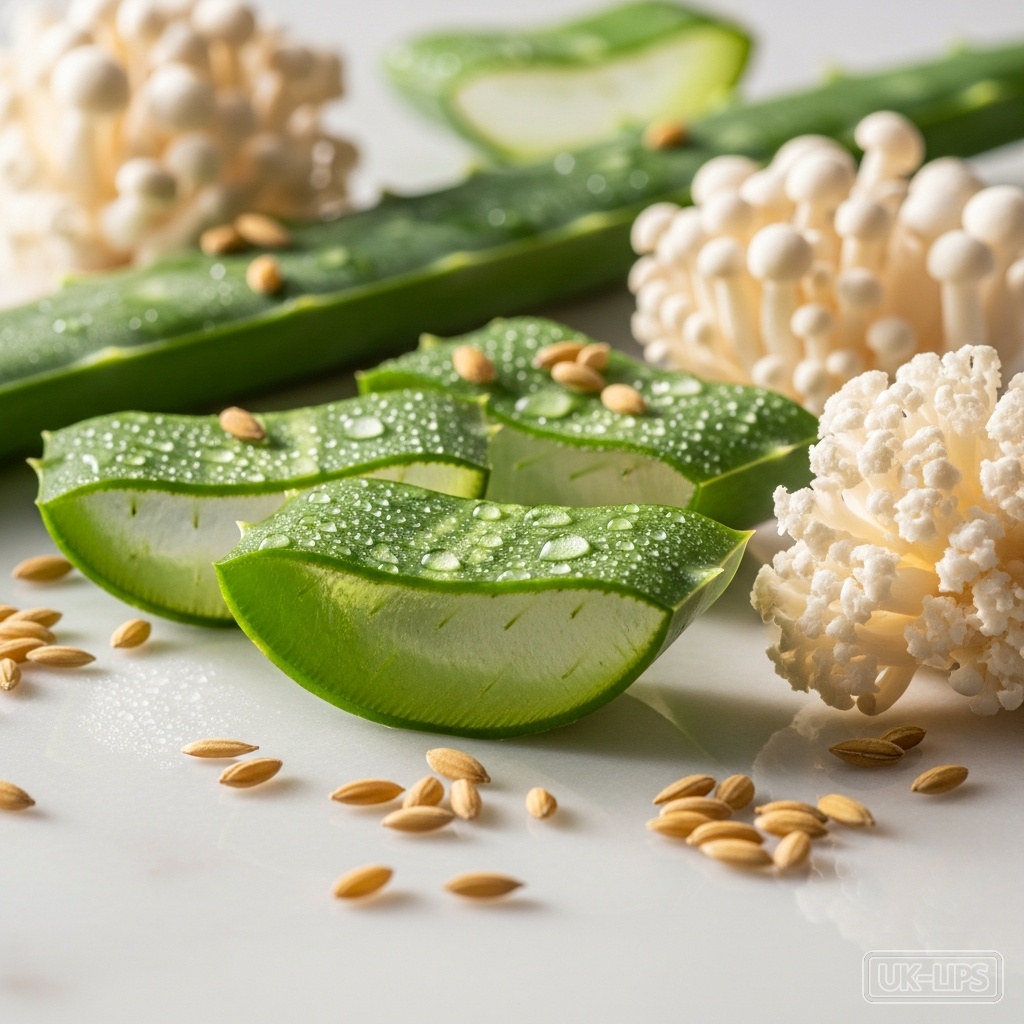
How it works in skincare
In cosmetics and skincare formulations, Sodium Hyaluronate is the salt form of hyaluronic acid with a smaller molecular weight that allows it to penetrate the upper layers of the skin more effectively, while Sodium PCA, the sodium salt of pyrrolidone carboxylic acid, is a naturally occurring component of the skin’s NMF (Natural Moisturising Factor). Together they attract and retain large amounts of water, reinforcing the skin’s moisture barrier, improving suppleness and preventing transepidermal water loss in everything from lightweight serums and day creams to sheet masks and leave-in hair conditioners.
Key benefits
- Intensely hydrates skin and hair
- Helps skin feel plump and supple
- Strengthens the skin’s moisture barrier
- Reduces the appearance of fine dehydration lines
- Improves softness and smoothness
- Lightweight and non-greasy feel
Best for
dry skin, dehydrated skin, mature skin, sensitive skin, normal skin
Where it comes from
Sodium Hyaluronate is produced by bacterial fermentation of plant sugars such as glucose or corn-derived materials. Sodium PCA is similarly derived through fermentation of plant sugars or can be sourced from amino acids found in coconut and other plant oils.
Products with Sodium Hyaluronate and Sodium PCA
Not every product on UK Lips lists a full ingredient breakdown — so there may be many more formulas that contain Sodium Hyaluronate and Sodium PCA than we can show here. These are the comparisons where we’ve confirmed it in the listed ingredients.
- Dermalogica SkinPerfect Primer SPF30 - Smooths Dermalogica
- Dermalogica SkinPerfect Primer SPF30 (22ml) Dermalogica
- Dermalogica SkinPerfect Primer SPF30 (22ml) Dermalogica