
Mandelic Acid
Mandelic acid is a gentle alpha hydroxy acid (AHA) derived from bitter almonds. It is popular in UK skincare for its ability to exfoliate the skin while being kinder than glycolic acid, making it suitable for sensitive and acne-prone skin. You will often find it in serums, toners and chemical peels at concentrations between 5-10%.
How it works in skincare
In cosmetics mandelic acid works by loosening the bonds between dead skin cells on the surface of the skin, encouraging gentle exfoliation and revealing smoother, brighter skin underneath. Because its larger molecular size means it penetrates more slowly than smaller AHAs, it tends to cause less irritation and redness. It is also oil-soluble, allowing it to work effectively on both the surface and within the pores, supporting a clearer complexion and more even skin tone.
Key benefits
- Gently exfoliates to reveal brighter, smoother skin
- Helps unclog pores and reduce the appearance of blemishes
- Promotes a more even skin tone and faded dark spots
- Suitable for sensitive skin with lower irritation potential
- Supports skin renewal for a fresher appearance
- Can improve skin texture and softness over time
Best for
sensitive skin, acne-prone skin, oily skin, mature skin, dull or uneven skin tone
Where it comes from
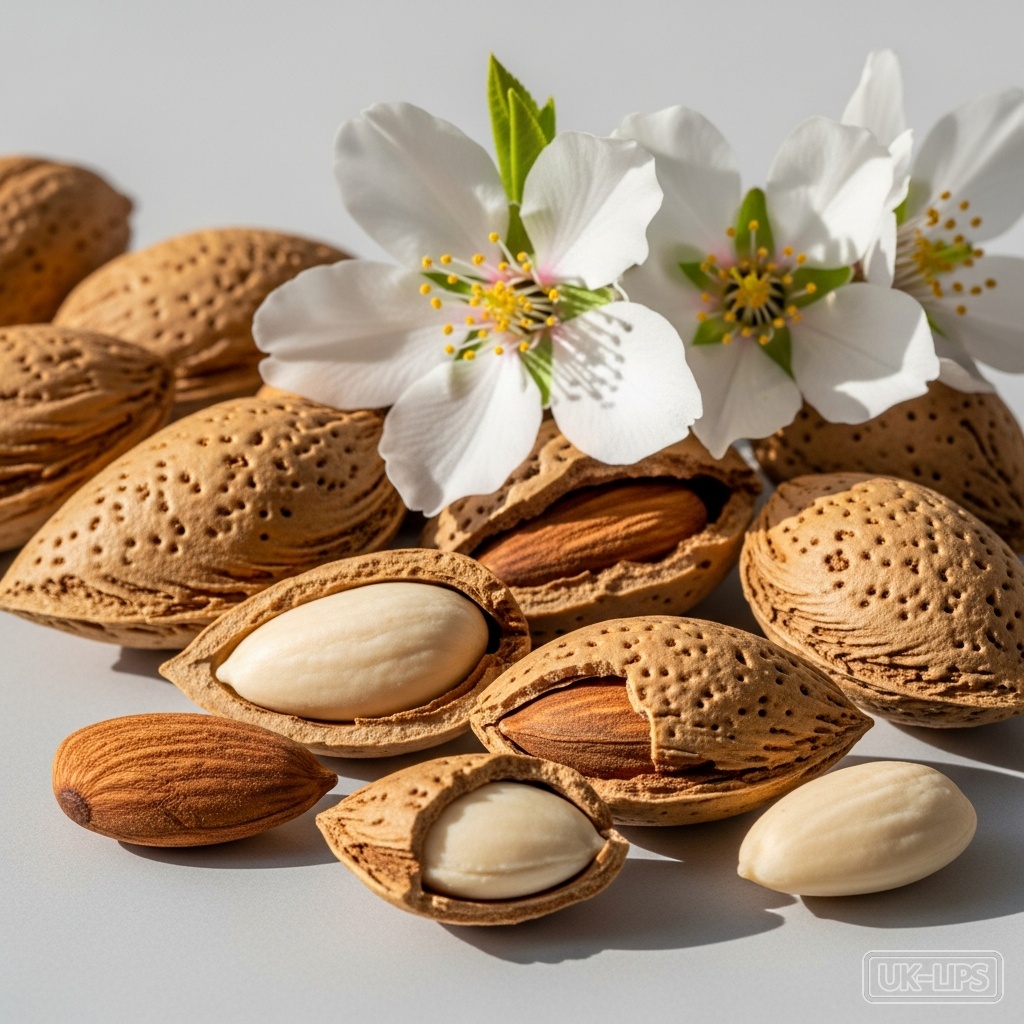
Mandelic acid occurs naturally in bitter almonds. It is typically obtained through hydrolysis of amygdalin found in the kernels of bitter almonds.
Products with Mandelic Acid
Not every product on UK Lips lists a full ingredient breakdown — so there may be many more formulas that contain Mandelic Acid than we can show here. These are the comparisons where we’ve confirmed it in the listed ingredients.