The Straightener Selection Guide: Matching ghd Models to Your Hair Density for Damage-Free Results
Choosing the wrong straightener often leads to unnecessary breakage and flat results, especially when hair density varies widely across the British population. Fine hair requires lower heat and narrower plates to avoid crushing, while thicker strands demand wider barrels and higher temperatures for even heat distribution. This guide cuts through marketing claims by focusing on practical matching of tools to texture, using real product specifications from current UK stock.
Many assume all professional straighteners perform identically, yet plate width, temperature range and ceramic coating quality create measurable differences in outcome and long-term hair health. Readers facing humid summer conditions or frequent styling will benefit from targeted selection rather than defaulting to the most expensive model.
Hair density differences that affect straightener choice
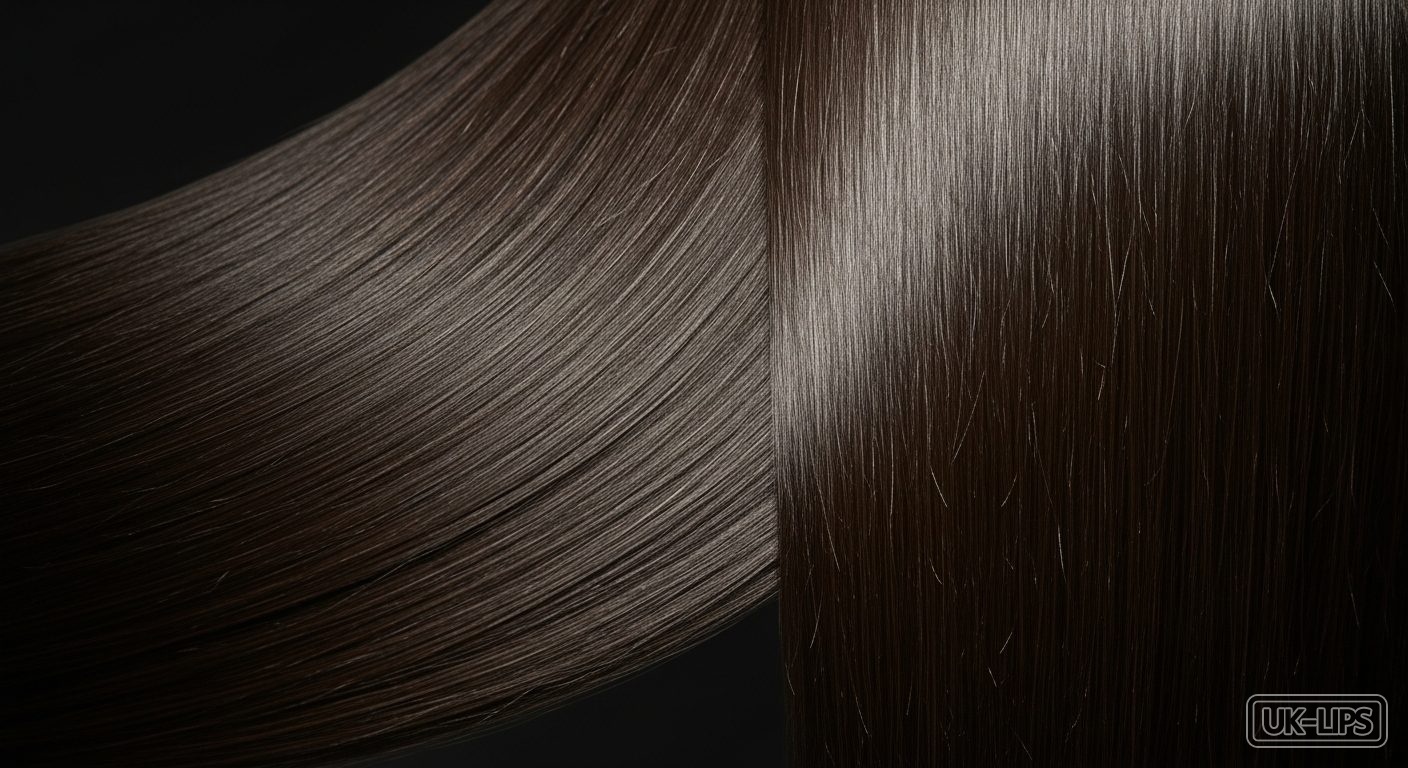
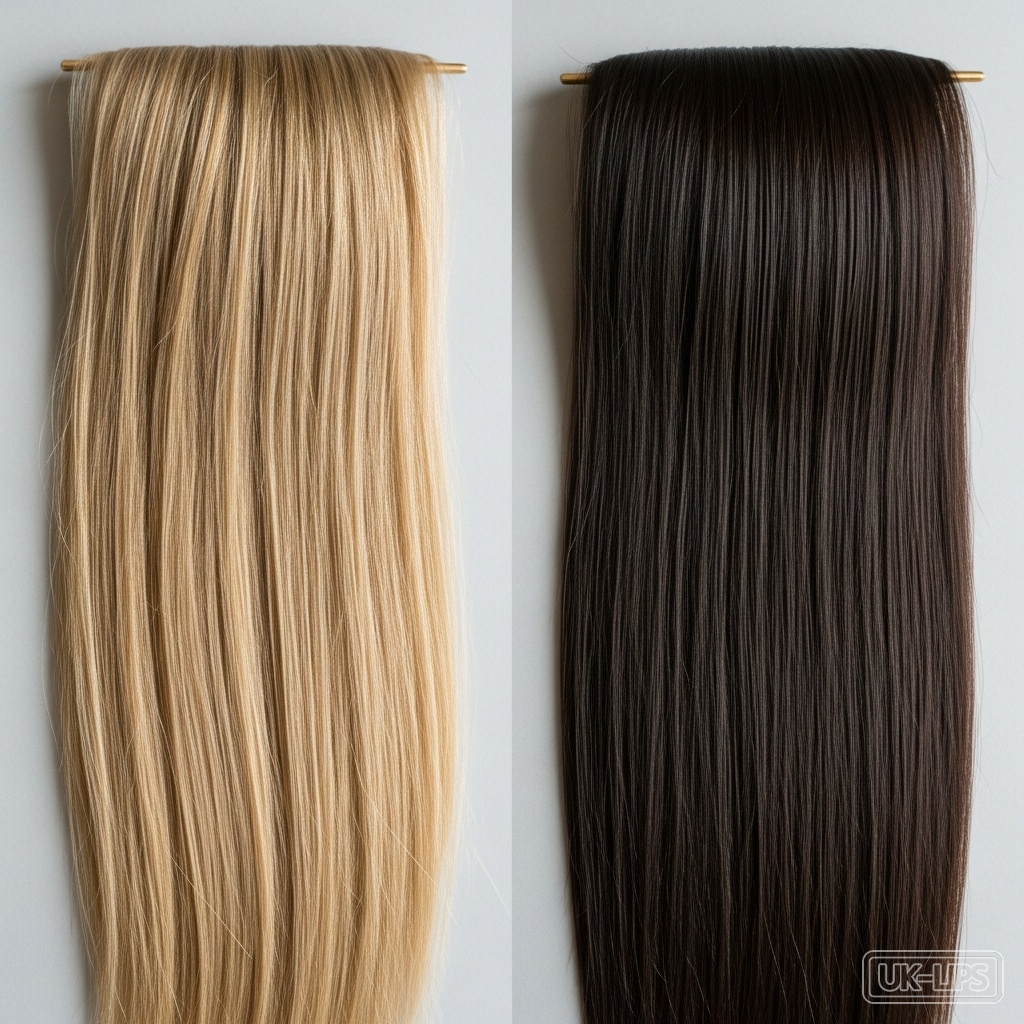
Fine hair typically has fewer strands per square centimetre and smaller diameter, making it prone to flattening under heavy plates. Thicker hair, by contrast, resists heat and requires sustained higher temperatures to reshape the cuticle. Testing your own density with a simple strand count in a small section helps avoid the common error of over-processing lighter hair.
UK consumers often overlook this step when browsing at best hair straightener comparisons, leading to returns or damaged hair within weeks. Density also influences how styling products interact post-straightening, with finer hair absorbing oils faster.
Key Features Across Current ghd Straightener Range
The ghd Original Hair Straightener offers 185°C with 2.7cm plates suited to medium density. Its upgraded version maintains consistent heat without the spikes that damage finer strands. For thicker hair, the ghd Gold and ghd Max models provide wider 3.7cm plates and faster heat-up, reducing pass time and cumulative heat exposure.
If your hair is very dense and you style daily: Go with GHD Max Hair Straightener as the largest plates and rapid heat recovery cut total exposure time significantly.
Hair FAQ
How often should I straighten fine hair? Limit to two or three times weekly and always apply a protective oil such as Moroccanoil Treatment Light Hair Oil first.
Can thick hair use the original ghd model? It will work but requires more passes, increasing cumulative heat damage; wider-plate models are more efficient.
Does plate width affect curl retention after straightening? Wider plates create flatter results that hold better in humidity, while narrower ones allow slight movement.
What temperature suits colour-treated hair? Stay at or below 185°C regardless of density to protect the cuticle and prevent colour fade.
Should I use dry shampoo before straightening? Only the lightest mist of Batiste Dry Shampoo Original on roots; heavier layers can create residue under heat.
Compare live UK prices on our best hair straighteners hub — star ratings and buy links updated daily.
Compare live UK prices on our best dry shampoo hub — star ratings and buy links updated daily.
Compare live UK prices on our best hair oil hub — star ratings and buy links updated daily.
Compare live UK prices on our best hair straighteners hub — star ratings and buy links updated daily.
Compare live UK prices on our best dry shampoo hub — star ratings and buy links updated daily.
Matching straightener specifications to your actual hair density removes guesswork and protects long-term hair integrity. The ghd range provides clear options once density is assessed. Explore further options at best hair straightener comparisons and pair tools with compatible treatments for best results. Share your density findings in the comments to help others refine their choices.
Published on 30 Jun 2026
Oonagh Harlow
Oonagh is UK Lips' beauty philosopher — Manchester-raised, Oxford-educated, and always ready to turn a Fenty launch into a conversation about power and identity.
Follow for deep dives, bold lips & beauty as rebellion.