
Dihydroxyacetone (DHA)
Dihydroxyacetone, commonly known as DHA, is the active ingredient used in most self-tanning products to give skin a sun-kissed glow without UV exposure. It reacts with the amino acids in the surface layer of your skin to produce a natural-looking tan that develops over a few hours and fades gradually as skin renews. Widely used in UK tanning mousses, lotions and sprays, it offers a safer alternative to sunbeds.
How it works in skincare
In cosmetics DHA works through a Maillard reaction, where it combines with free amino acids in the upper layers of the epidermis to form brown pigments called melanoidins. This colour change occurs only on the skin’s surface and does not involve melanin production, making it a purely cosmetic effect. Formulators in the UK often combine it with erythrulose for a more even, longer-lasting tan and pair it with moisturisers to reduce dryness and patchiness.
Key benefits
- Creates a natural-looking tan without UV exposure
- Gives an instant glow for special occasions
- Allows customisable depth of colour by adjusting applications
- Fades gradually with normal skin renewal
- Can be formulated with hydrating ingredients to improve skin feel
- Suitable for those seeking a sun-free bronzed appearance
Best for
all skin types, pale skin, sensitive skin, uneven skin tone
Where it comes from
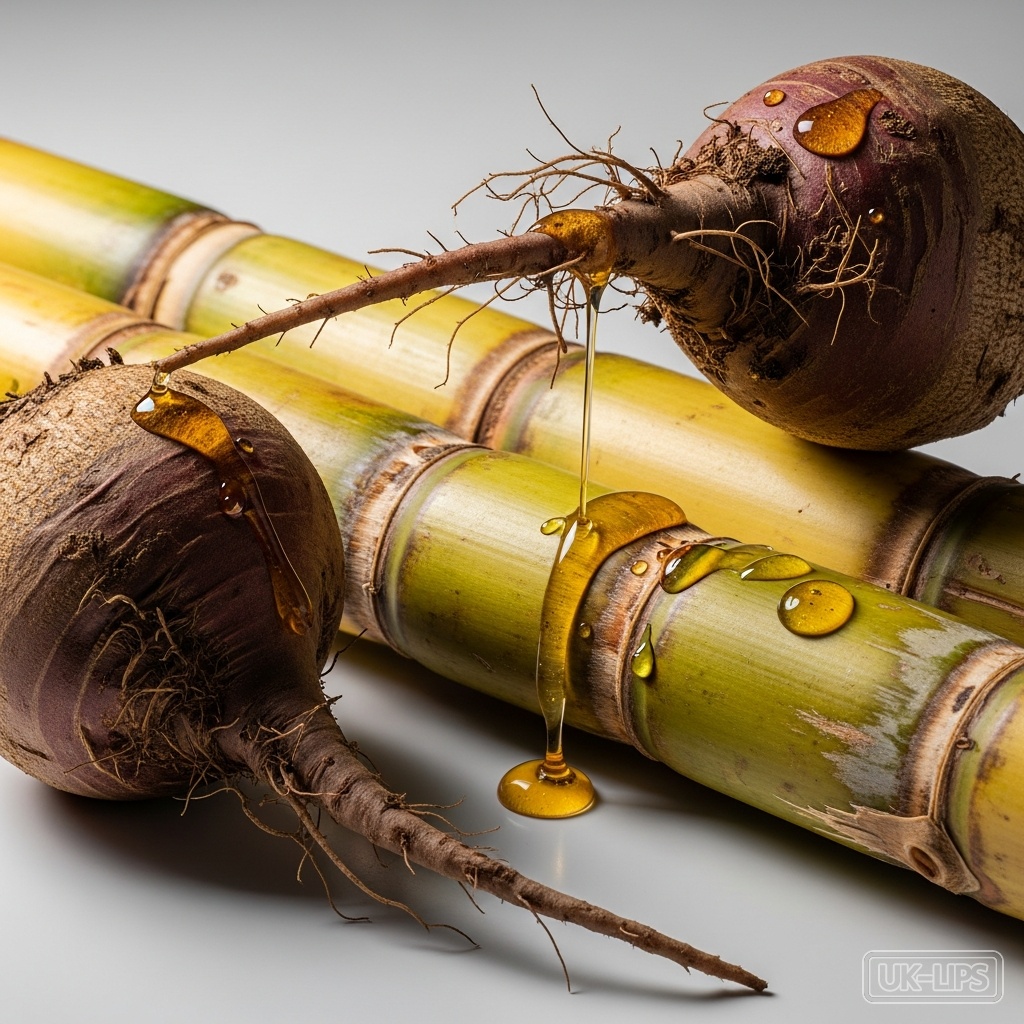
Dihydroxyacetone is a simple sugar most commonly derived from plant sources such as sugar beet or sugar cane through natural fermentation processes using bacteria like Acetobacter.